Both are packed bed scrubbers. Both push contaminated gas through a bed of wetted packing so the pollutant moves from the gas into the liquid. The difference is the direction the two streams travel relative to each other — and that one difference decides efficiency, height, pressure drop and how the unit behaves in your plant.
How each one works
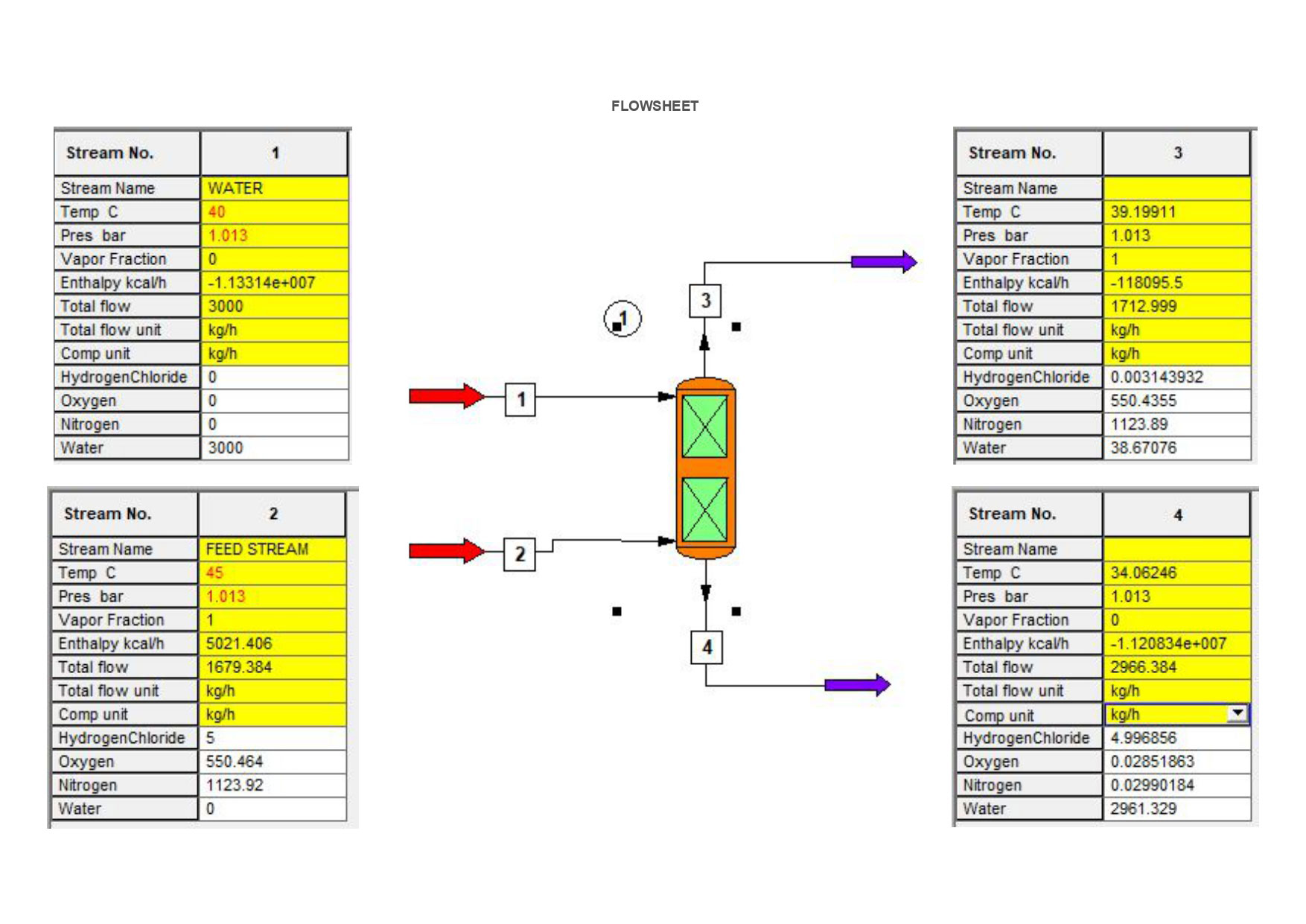
In a counter-current scrubber, the tower stands vertically. Gas enters at the bottom and rises through the packing. Scrubbing liquor is sprayed in at the top and trickles down against it. The two streams pass each other head-on.
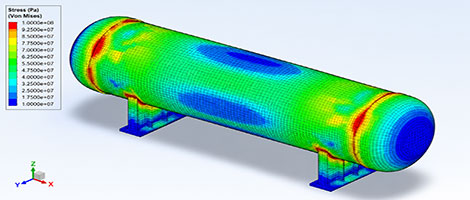
In a cross-flow scrubber, the unit lies horizontally. Gas flows sideways through the packing. Liquor is sprayed from above and falls down through it. The streams cross at right angles.
Why counter-current is more efficient
Absorption is driven by the difference between how much pollutant is in the gas and how much the liquid can still take up. The bigger that gap, the faster the transfer.
In a counter-current tower, the cleanest gas — at the top, about to leave — meets the freshest liquor, just sprayed in and hungry for more. At the bottom, the dirtiest gas meets liquor that has already done some work but still has plenty of capacity left. That driving force stays strong along the full height of the bed.
In a cross-flow unit, the gas meets liquor of mixed freshness as it crosses. The average driving force is lower, so for the same removal you need more packing volume, more liquor, or both.
That is why counter-current towers are the default whenever the outlet limit is tight.
Why cross-flow still earns its place
Cross-flow scrubbers solve problems a vertical tower can't:
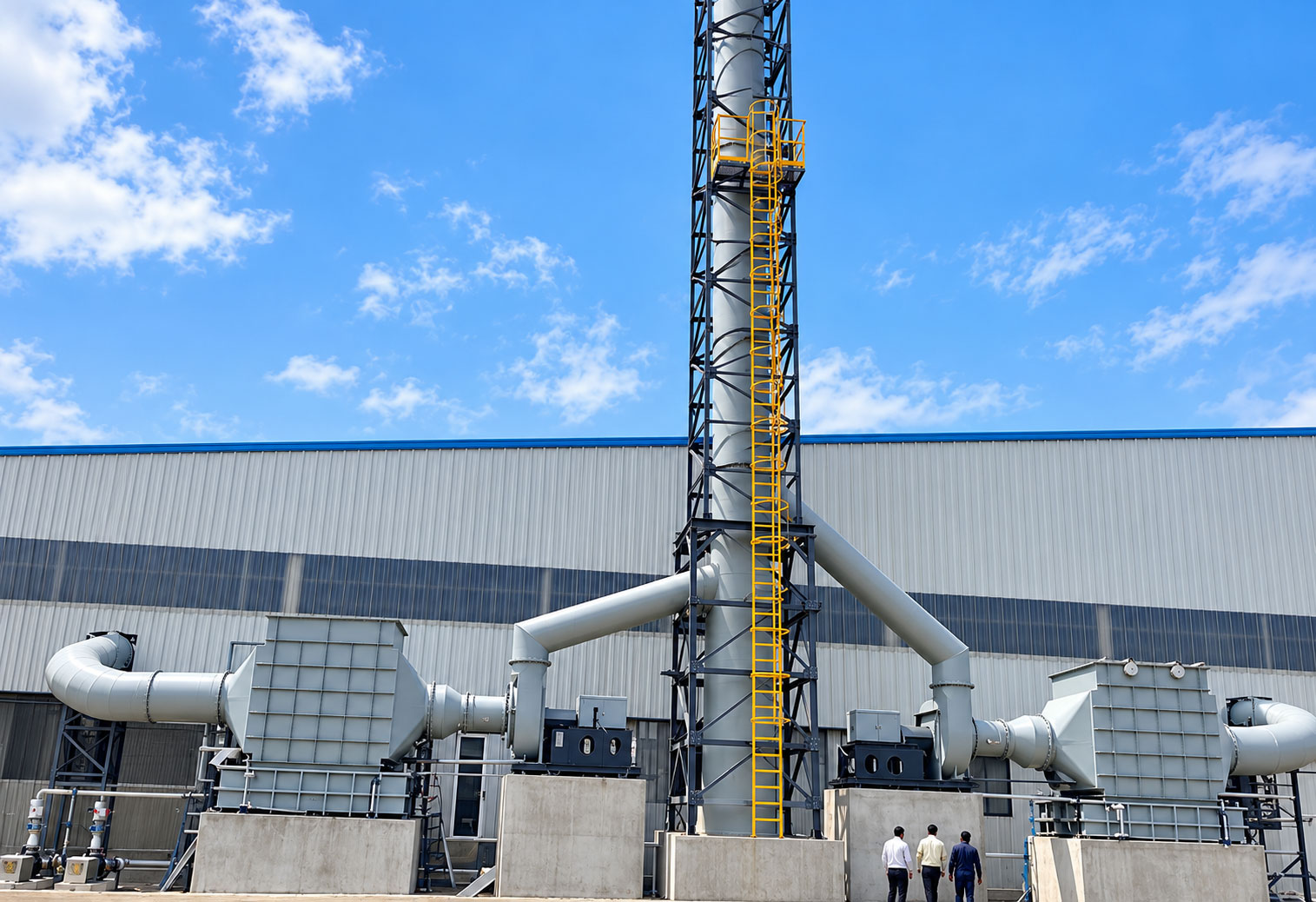
- Headroom. A counter-current tower for a large gas flow can stand well over ten metres with its mist eliminator and stack connection. Inside an existing building, under a pipe rack or below a crane rail, that height often simply isn't available. A cross-flow unit spreads the same job horizontally.
- Lower pressure drop. Gas crosses a shorter depth of packing at a lower velocity, so the blower works less hard. On very large airflows that saves real power every hour the plant runs.
- Multiple stages in one housing. Several packing sections sit in series inside one long body — an acid stage, then an alkaline stage, then a mist eliminator — each with its own liquor sump. That is far more compact than two separate towers and the ducting between them.
- Maintenance access. Packing sits at a working height and can be reached from the side, instead of being lifted out of the top of a tall tower.
- Less prone to flooding. Gas and liquid aren't opposing each other, so cross-flow units tolerate higher gas and liquid rates before liquid starts being carried upward.
Cross-flow designs are especially effective on sulphuric acid mist and on large-volume, moderate-concentration exhaust — which is why our largest executed cross-flow unit, at 112,500 CMH, is on exactly that duty.
How to choose
The decision usually comes down to five questions:
| Question | Points to counter-current | Points to cross-flow |
|---|---|---|
| How tight is the outlet limit? | Very tight, high removal needed | Moderate removal is enough |
| How much height is available? | Plenty — outdoors, open yard | Limited — indoors, under structures |
| How many stages are needed? | One, or two separate towers are acceptable | Two or more in series, compactly |
| How large is the airflow? | Small to large | Very large, where pressure drop costs real power |
| How easy must maintenance be? | Occasional access is fine | Frequent packing access needed |
Gas chemistry matters too. Highly soluble gases that react quickly with the liquor — hydrochloric acid into an alkaline solution, for example — are forgiving, and a cross-flow unit often meets the limit comfortably. Gases that absorb slowly or need a long contact path to reach a low outlet concentration push the choice firmly toward counter-current.
Neither is a catalogue item
Whichever you choose, the packing depth, liquor rate and vessel size come from the gas analysis, not from a standard model number. Two scrubbers rated at the same airflow can need completely different beds if one is removing ammonia and the other chlorine.
If you're unsure which configuration suits your plant, send us the gas flow, the contaminant and its inlet concentration, your outlet limit and a rough layout of the available space. We'll recommend the configuration — and tell you why.